In Paris, in the 20th arrondissement, the popular district of Belleville is affected by a rise in rents and the phenomenon of gentrification. Residents are organizing themselves to alert and resist. Between the arrival of bobos and housing rented by tourist platforms, the neighborhood is seeing its sociology change. Interview with La cantine de Belleville, by Quentin RAMOND, collective Droit à la belle Ville, and Emilie, resident,
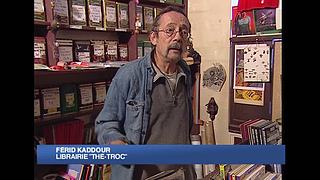
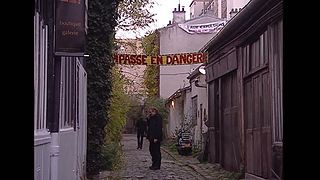
In Paris, the popular district of Ménilmontant in the 20th arrondissement has been increasingly invested in recent years by an economically more affluent population. Images of the neighborhood. Interview with Férid KADDOUR, manager of the "Thé troc" tea room and activist bookstore, deplores the lack of social diversity that once existed in the neighborhood
In Paris, the popular district of Ménilmontant in the 20th arrondissement has been increasingly invested in recent years by an economically more affluent population. Images of the neighborhood. Interviews with Sophie MERCERON, the café L'Ogre à plumes, rue Jean Pierre Timbaud, and an inhabitant.
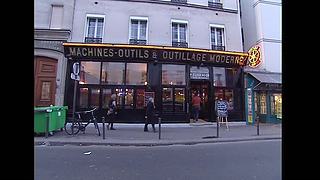
In Paris, the popular district of Ménilmontant has been increasingly invested in recent years by an economically more affluent population. The "bobos" are gradually making their place there. November 2007, the inauguration of the new Steelworkers' House (Maison des métallurgistes), one of whose missions set by the municipality is to preserve a certain social mix that has already been called into question. Images of the inauguration, from the neighborhood. Interviews with Marie-Charlie PIGNON, public relations officer of the Maison des métallos, and Jean-Claude PEDRON, tool shop owner for 35 years in the neighborhood.
In Paris, the popular district of Ménilmontant in the 20th arrondissement has been increasingly invested in recent years by an economically more affluent population. Images of the neighborhood, from rue Oberkampf. Interviews with Claire MARTEAU, the café Le Mécano, Alexis POIRSON, the café L'Orange mécanique.
In Paris, in the 20th arrondissement, the gentrification of Belleville, a working-class district, is a source of concern for local associations. Interviews with Monique ANDRE, complains about the disappearance of traditional shops and bobos bourgeoi; Omer MAS CAPITOLIN, from the association "Maison pour un développement solidaire" warns about the rapid classifications that may conflict.
In Paris, the popular district of Ménilmontant in the 20th arrondissement has been increasingly invested in recent years by an economically more affluent population. The "bobos" are gradually taking their place and investors and speculators also immobilize. Images of the neighborhood. Interviews with Karim LOUATI, mechanic, and Arnaud BOURET, manager of La Cartonnerie.
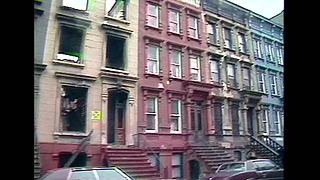
In New York (United States), in the neighborhood of Harlem, the predominantly black and poor population is gradually being driven out in favor of a more affluent population. Images of Harlem, its slums next to renovated buildings and recently built skyscrapers. Interview with Bill TATUM, director of the newspaper Amsterdam News Harlem.
In New York (United States), in the neighborhood of Harlem, the predominantly black and poor population is gradually being driven out in favor of a more affluent population. Images of Harlem, its slums next to renovated buildings and recently built skyscrapers. Interviews with residents, and with Lewisq RUDIN, property developer.
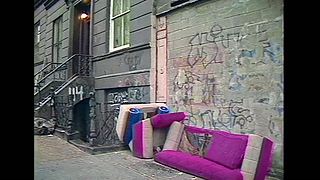
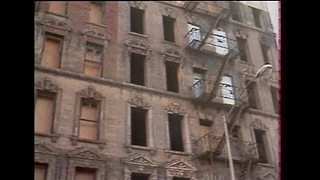
In New York (United States), in the borough of Manhattan, working-class neighborhoods are facing a phenomenon that affects other city centers, namely the exodus of populations with modest incomes to the benefit of wealthier individuals. The municipality no longer having the means to maintain certain social buildings, they are sold to real estate developers. Example on the Lower East Side, where all means are good for speculators to drive out the poor occupiers. To carry out their project of gentrification, the promoters bring in artists before a population of intellectuals and executives arrives afterwards. Images of the neighborhood alternate with interviews with residents fighting against the operations of developers and the transformation of the neighborhood.
In New York (United States), in the borough of Manhattan, working-class neighborhoods are facing a phenomenon that affects other city centers, namely the exodus of populations with modest incomes to the benefit of wealthier individuals. The municipality no longer having the means to maintain certain social buildings, they are sold to real estate developers. Example on the Lower East Side, where all means are good for speculators to drive out the poor occupiers. To carry out their project of gentrification, the promoters bring in artists before a population of intellectuals and executives arrives afterwards. Images of the neighborhood alternate with interviews with residents fighting against the operations of developers and the transformation of the neighborhood.


 The INA Galaxy