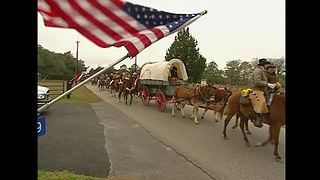
In Texas (USA), meet passionate and nostalgic Americans of western culture who revive the spirit of cowboys and the American West. For several weeks they criss-cross the roads of Texas and converge with their wagons to Houston for the annual rodeo festival, with its barbecues and country music balls evenings. Interviews on his horse with Matt Devine and Renée Gressett in his wagon, the oldest of the convoy.
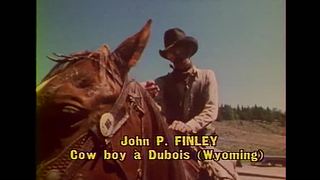
The team of Five Columns One travels to Arizona, Colorado to see what remains of the spirit of the Wild West. Interview with the consul of France in Arizona who evokes westerns and western values, then meets an old cowboy who prefers that his only son become a phone employee.
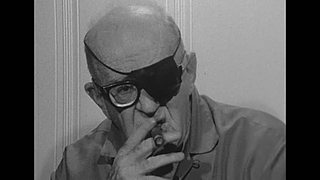
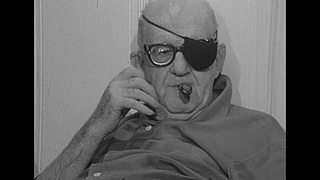
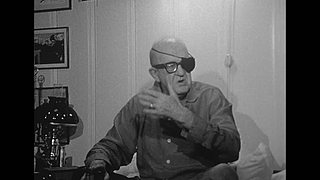
Following the interview with the American filmmaker John Ford, shot on August 31, 1965 at his home in Beverly Hills (USA). Sitting in bed, black blindfold on the left eye and smoking a cigar. The filmmaker is questioned about his westerns films. Ford explains why he likes to make westerns, even though he believes his best films are not westerns, and also highlights the affection he has for cowboys with whom he is used to working.
Interview with the American filmmaker John Ford, shot on August 31, 1965 at his home in Beverly Hills (USA). Sitting in bed, black blindfold on the left eye and smoking a cigar. John Ford is questioned about his film The Searchers (The Desert Prisoner) made in 1956 and more widely on the western with its good reception by an audience of French movie lovers. The filmmaker addresses the economic dimension of the market for the American film industry.
Following the interview with the American filmmaker John Ford, shot on August 31, 1965 at his home in Beverly Hills (USA). Sitting in bed, black blindfold on the left eye and smoking a cigar. When asked about his western films and the fact that many French intellectuals write a lot about westerns, John Ford believes that the western is the best action film ever, he explains why.
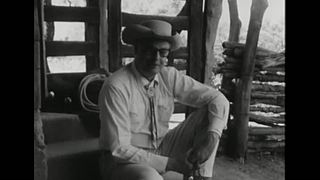
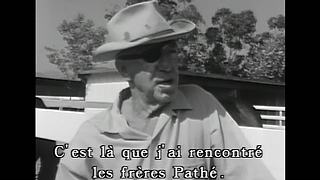
Interview with director Raoul Walsh. From his ranch, cowboy hat and black blindfold on the eye, he recalls his memories of fifty years of cinematographic career; He met the Pathé brothers in New Jersey, who were starting out in film production and with whom he made several films.
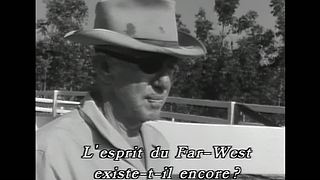
Interview with director Raoul Walsh. From his ranch, cowboy hat and black blindfold on the eye, he evokes memories of fifty years of cinematic career. Questioned about the spirit of the Wild West, the filmmaker believes that there are no longer real cowboys and tells some anecdotes when he was an assistant to David W. Griffith.


 The INA Galaxy