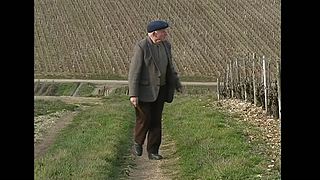
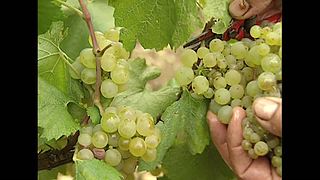
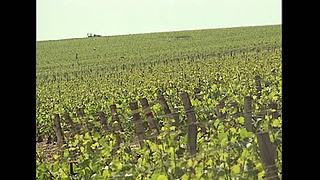
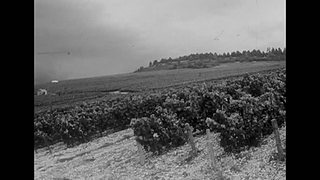
The wines of the country of Chablis, cultivated, harvested and raised in the tradition for centuries, and even with the contribution of technology, remain strongly and durably marked by their terroir. Explanations by specialists.
Americans, it is said, are fond of Chablis and consume a lot. But, for them, the term "Chablis" has nothing to do with the terroir or grape variety of the wine: it is only a generic term that means "dry white wine of poor quality and inexpensive". The producers of Chablis decided to fight against these "fake Chablis" by an advertising campaign in the United States, and regrouped in a club of geographical indications. Explanations of Bernard HERVET, president of the Chablis commission at BIVB (Bureau Interprofessionnel des Vins de Bourgogne).
The frost reappeared last night in the Yonne vineyard. Suddenly, the night was agitated in the chablis old vines and in the grands crus. The heaters have been activated. In a vineyard in full ignition of the heaters at night, interviews of Olivier TRICON, winemaker, Christelle CHERBUIN, winemaker, and Laurent PINSON, winemaker.
Meeting with Christophe CAMU, a young winemaker from Chablis, who found a way to prevent frost damage by covering his vines with microfiber tarpaulins.
M.SIMONNET, president of the Chablis Propaganda Committee, tells wine tasters that Chablis ages well, and explains in detail why Chablis wines are ultimately good regardless of their vintage. For him, one thing is certain: "in Chablis, there are no bad years".
Chablis is a small vineyard located in the Yonne, between Tonnerre and Auxerre. It produces four main categories of wines: small Chablis, Chablis, Premiers Grands Crus, and Chablis Grands Crus. Since 1923, the winegrowers of Chablis are grouped in cooperative. While the winemaking process has not changed much, controls, including temperature, have intensified.


 The INA Galaxy