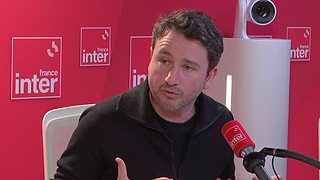
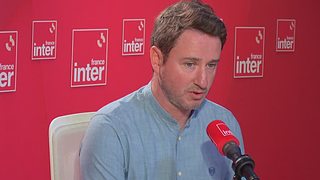
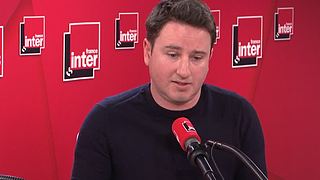
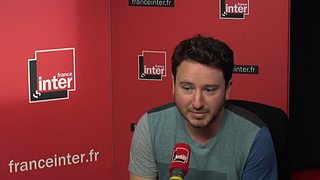
Gabriel Zucman, student of Daniel Cohen, economist at PSE, talks about the essential role of his teacher in his choice to become an economist. Cohen taught him to go beyond the traditional frameworks of discipline and to engage, while encouraging him to take part in public debates. As a student, this approach has profoundly marked the way we practice economics.
Gabriel ZUCMAN proposes a global tax of 2 percent on the fortune of billionaires. A modest measure, about 3,000 people concerned, but which could bring in nearly 250 billion dollars per year.
For Gabriel ZUCMAN, calling Macron the 'president of the rich' is justified: the abolition of the wealth tax, the reduction in corporate taxes and the flat tax on capital benefit the rich and the super-rich.
Gabriel ZUCMAN explains how to join the movement for studying inequalities. Winner of the best young economist award, he rejects the label 'enemy of finance' and describes himself rather as a child of the financial crisis, during which time he began his research to understand the mechanisms of tax evasion.
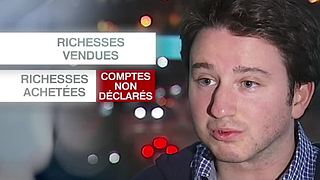
Gabriel ZUCMAN, economist and researcher at the University of Berkeley, explains the survey he conducted to quantify, for the first time, what, by definition, escapes any statement: "It is a bit naive to believe that we are going to convince banks to stop allowing their customers to defraud simply by words, without proportionate sanctions."
Interview with the economist Gabriel ZZUCMAN, author of "The Hidden Wealth of Nations", for whom policies against tax evasion remain ineffective. It denounces international cooperation based on the goodwill of banks and calls for the creation of concrete tools such as a global financial registry and a global tax on capital. To the question "Do you describe yourself as a left-wing economist?" , Gabriel ZUCMAN responds that he sees himself more as an empirical and pragmatic economist, attached to facts rather than major political theories.


 The INA Galaxy