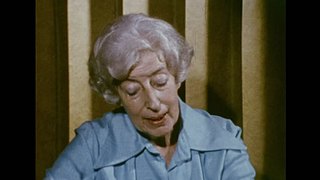
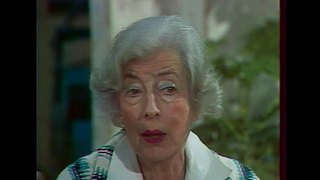
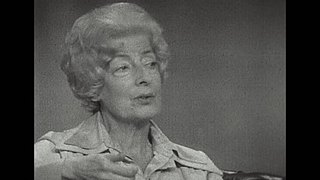
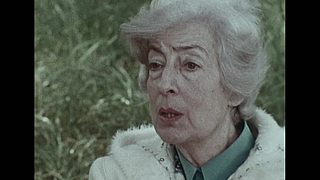
Madeleine Braun tells how the poem 'Liberté' by Paul Eluard was able to appear officially in the magazine Fontaine by Max Pol Fouchet before it became clandestine: the Vichy censor having not read it until the end, thought that it was a love poem. The poem having appeared under the title 'A single thought' and not yet under its current title 'Freedom'.
Madeleine Braun insists on the importance of introducing children to reading at school, with trained teachers who are large enough not to have overcrowded classes. She calls for providing students with attractive books and textbooks that nourish their desire to read. She deplores the lack of recognition and the difficulties of authors and all professions in the book. Madeleine Braun insists on the importance of introducing children to reading at school, with trained teachers and adapted books. She deplores the lack of investment in this fundamental educational mission.
Madeleine Braun, reviews the beginnings of the resistance newspapers. These newspapers were first re-catalogued using machines that were often of poor quality before going to the press. She explains the difficulties in obtaining the paper, ink and material necessary for the production of newspapers like L'Humanité, which nevertheless had 374 clandestine issues. She specifies that these resources had to be obtained through indirect means, notably on the black market. Words illustrated by images of the days of the resistance.
Madeleine Braun, former member of the National Front and director of the newspaper Patriote, talks about the birth of the National Front in 1941 following a call from the Communist Party to unite. She describes the diversity of the personalities involved, the links with the maquis and the FTP (Francs Tireurs et Partisans) and recalls that even if their ideas might differ, the union was made on a single objective: the liberation of France


 The INA Galaxy