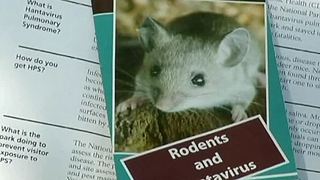
10,000 people who stayed this summer in the tent city of Yosemite National Park, California, may have been exposed to a deadly rodent-borne virus. Two people died after contracting hantavirus pulmonary syndrome (HPS) and four others were infected but survived. Other suspected cases are under review. The park authorities said they had reached about 3,000 groups of visitors, advising them to contact a doctor as soon as possible if they develop symptoms of HPS. The virus initially manifests itself with flu-like symptoms - headaches, fever, cough - but can lead to severe breathing difficulties and death.
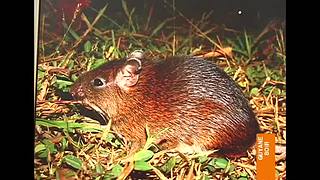
Voles are being studied at the Institut Pasteur in Cayenne where, for the first time since 2001, rodents have tested positive for hantavirus. The risk of contamination remains extremely low, reassures the veterinary virologist at the Institute and intervenes when humans are in contact with rodent excreta. The director of the institute describes the different symptoms in case of contamination, the severity of which may vary depending on the geographical area.
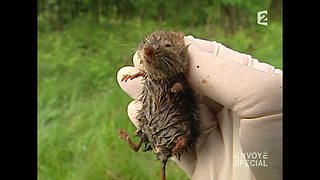
Warning of the medical profession against a hantavirus (?) or "rodent fever", which in much of eastern France, is currently transmitted and spread by voles and therefore likely to generate hemorrhagic fevers and kidney failure in affected people. Evocation of the symptoms of this affection and recommendations made to people when they walk in the forest.
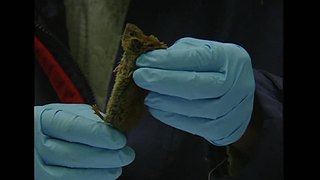
Researchers are studying the "animal reservoir of the virus" vole (hantavirus) responsible for the disease of hemorrhagic fever with renal syndrome, and have so far no certain proof. The rodent still questions that this virus is one of the most dangerous in the world.


 The INA Galaxy