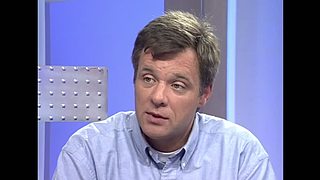
According to a study by Santé Publique France, the consequences of the Covid-19 health crisis still weigh on the mental health of adolescents, with an increase in consultations but also sometimes suicidal gestures. The Maison des Ados d'Aveyron has therefore set up prevention operations, including through a show. Testimony of Léonie, 16 years old, Fabrice PEREIRA (director of the Maison des Ados de l'Aveyron), and Aurélien CHATAIGNIER (pediatric psychiatrist, Rodez Hospital): "Not having found interlocutors during this period [the NDD confinement], the adolescents arrived late, the time that the severe disorders are building up, 4, 5, 6 months later, with significant despair and serious suicidal gestures..."
The COVID-19 outbreak has had a definite impact on the mental health of young people, but their own feelings are hard to hear. Hence the idea of the International Institute for Human Rights and Peace, located in Caen, and the Defender of Rights, to collect the words of adolescents with exchanges and reflections on the management of the psychological suffering of young people that will then serve as a report submitted to the President of the Republic. Comment on factual images, and interview of Alexandre CHAOUCHE (student at the horticultural school of Evreux) and Antoine DEVOS (president of the Ecole des parents et éducateurs du Calvados).
The consequences of the lockdowns on the morale of the French are linked. Several doctors warn about the negative impact of the psychological condition of young adults, who are suffering from increasing depression. Testimony of psychiatrist Jean-Paul Mialet.
The journalist Patricia Loison receives the professor of psychiatry and addictology Michel Lejoyeux who presents his book "Tout déprimé est un bien portant qui s'ignore". He insists that emotions should not be medicalized, and that the environment and music have great importance on morale, as well as meditation.
In the Loiret, an information week on the mental health of adolescents, with conferences, debates and film screenings scheduled until the end of the month. Being a teenager is not always easy, it is a period of mutation, transformation, and the latest UNICEF report points to a growing malaise, with 1 in 3 young people who would be in psychological pain. Commentary on factual images, interview with Laurent MOULIN (professor of science and technology) and testimonies of adolescents.
In 98, we remember, the victory of the Blues in the World Cup made us all euphoric... We even said that it boosted the GDP... Will this pitiful elimination, on the contrary, make us even more gloomy?
Would thermal cures be more effective than antidepressants to treat anxiety disorders and depression? A study of two groups of patients seems to prove this. Patients who received 3 weeks of massages, hot tubs and jet showers were far more likely to have regained a serene sleep than patients in the group on medication. But one does not prevent the other. Testimonies of two curists at the thermal baths of Saujon in Charente-Maritime who alternate with results of investigation on the chances of healing and the interview of Doctor Olivier DUBOIS, psychiatrist in the establishment.
According to the INSEE survey, the French are in good spirits. But the silts are less, if we believe this micro-sidewalk. They explain the reasons for not having morale.
Presentation of a new therapy to combat gloom, melancholy, depression: light therapy, which cures these ailments by light. Interview of a patient and the psychiatrist James CONSTANT.
On the occasion of the international conference in Poitiers on success and failure at school, testimony of doctor Alain RAULT (psychiatrist in Thouars) who analyzes the link that may exist between psychological malaise, linked to too strong school rhythms, and academic failure.
A viewer from Lyon suffering from manic-depressive psychosis testifies in front of the camera about the phases of his illness that change his mood, and details the treatments he takes. This man confides "we the mentally ill, are neglected, forgotten...it is not necessary to say crazy but mentally sick and it is already sad like that".
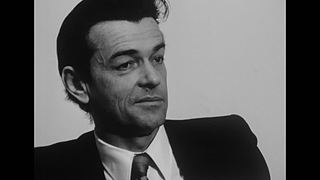
In this show, Etienne Lalou talks to the psychiatrist René Angelergues who defines mental illness as a disease of mental organization rather than an organic disease.
What is a morose Frenchman? The question is asked to men and women in the street. Among them, Mr KOUPERNIK, psychiatrist: "I see a lot of them in my job", people "have a kind of fear in them now, perhaps partly the fear of the progress they generate themselves".
Pierre Bailly Salin, psychiatrist, presents the day of a psychiatrist and his team who takes care of the patient at the hospital and dispensary when he is discharged.
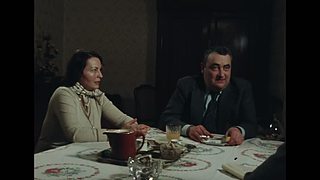
For the "camera 3" program, journalist Henri DE TURENNE presents and analyzes the results of a survey carried out by the SOFRES institute about the morale and state of mind of the French in this year 1967. In the company of the director of SOFRES, Pierre WEILL, Henri DE TURENNE comments on the result of the study of the institute on the direct question submitted to the French: How are things?


 The INA Galaxy