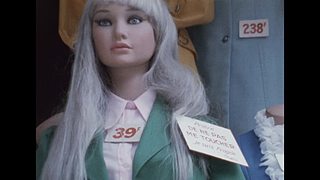
Le célèbre poème surréaliste "L'Union libre" publié en 1931 lu par André BRETON ?. Il décrit de manière désordonnée et anarchique le corps féminin et l'amour, thème de prédilection surréaliste. Le poème est illustré ici par des images de poupées, de mannequins et de sculptures dénichées dans les dédales du Marché aux puces de la Porte de Clignancourt.
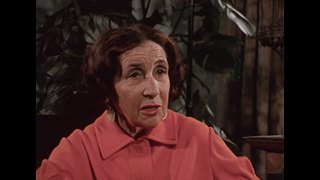
Dans son appartement, Lise Deharme la romancière et muse des surréalistes, évoque sa première rencontre avec André Breton en octobre 1924. A la Centrale surréaliste (bureau de recherche des membres), elle lui laissera le célèbre gant bleu qui deviendra le symbole du surréalisme. Ce gant est aussi une sculpture de bronze de l'artiste. Il figure également sur la couverture du roman "Nadja".
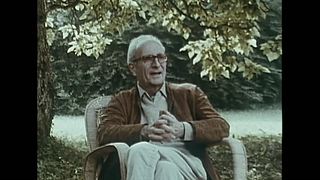
Jean José MARCHAND talks to anthropologist and ethnologist Claude LEVI STRAUSS in the park of his property, about his immense admiration for the surrealist artist André BRETON. He praises the range of his curiosities and his taste for objects most often found at the Puces de Clignancourt. He was a man of great scholarship and humanity.
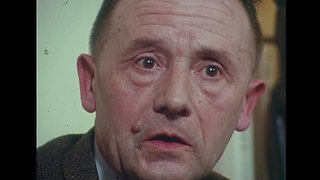
The writer Julien GRACQ paints the portrait of the artist and poet, André BRETON, an unusual being of heart who "stimulated his companions...without words" and compares him to a plant.
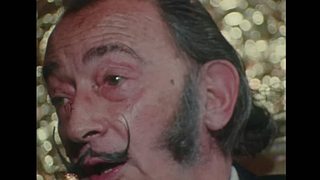
Interview with the "cruel" and surrealist artist, Salvador DALI, about his differences with André BRETON, whom he considers tearful "like Yves Montand", and his desire to create a society of blind slaves beated.
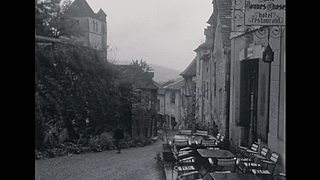
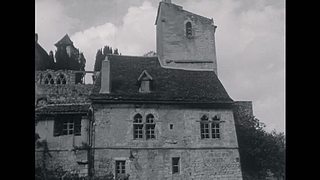
It was in the village of Saint-Cirq-Lapopie, in the Lot department, that André Breton had acquired a property. He discovered the village in 1950 and lived there every summer until his death in 1966. Return to Saint-Cirq-Lapopie where residents evoke their memories of André Breton.
It was in the village of Saint-Cirq-Lapopie, in the Lot department, that André Breton had acquired a property. He discovered the village in 1950 and lived there every summer until his death in 1966. Return to Saint-Cirq-Lapopie where residents evoke their memories of André Breton.
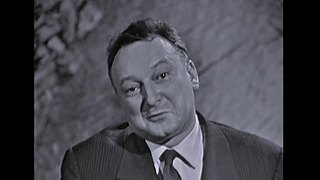
Moving statement by Max POL FOUCHET poet, writer and art critic, about the book "The Manifesto of Surrealism" by André BRETON "admirable in form and spirit". He praises the writer and his great humanity.


 The INA Galaxy