Jean CLAIR, curator of the exhibition "Crimes et châtiment", analyses Degas’s famous sculpture "La petite danseuse de quatorze ans". Contrary to the naive perception of a large number of admirers, this work represents "a small rat in the zoological sense of the term", which carries the germs of siphillis. Indeed, the young dancers of the opera, like Degas’s model, come from poor backgrounds and are forced to give in to the "rich men". Degas, who frequented courts of justice and brothels, tried to find in the physiognomies the traits of criminals or prostitutes. The anthropological approach is therefore essential to fully understand a work of art.
Invited on the set of Elizabeth MARTICHOUX, Jean CLAIR, director of the Picasso museum, expresses himself as usual with frankness, on what he thinks is the problem of attendance at contemporary art centers. For him, the problem is political. In fact, only a very small minority of artists are exhibited who address only an informed public, an elite whom he compares to a small "cult".
Jean CLAIR, curator of the exhibition "L'âme au corps: arts et sciences 1793-1993", evokes the nostalgia of an absent body, exiled from modern representation, in opposition to the glorious skinned bodies of the 18th century. Even today, doctors study the body through computer-generated images; they no longer feel or smell their patients' bodies. It is no coincidence that contemporary artists no longer do nudes. This also raises the question of portraiture in art.
The art historian Jean CLAIR speaks about the relationship between language and image in the work of René Magritte. There is a perpetual play between image and discourse, between wordplay and imagery. The artist was fascinated by the fact that language, the linguistic apparatus can represent reality. Magritte’s work is at the confluence of the everyday, philosophy and poetry.
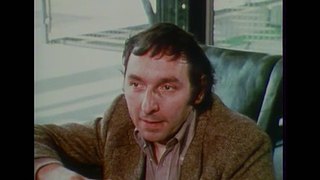
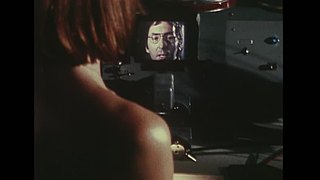
On the occasion of the exhibition "Machines célibataires" inaugurated at the Venice Biennale in 1975 and shown at the Musée des Arts Décoratifs in Paris, Jean CLAIR, art historian, defines the single machine and explains how the cinematograph is the perfect example. While he defines the mechanisms of cinema, the relationship between the machinery and the organic, between the camera and the actors, a woman draws on the screen where her image appears and plays with the sound of the interview.


 The INA Galaxy