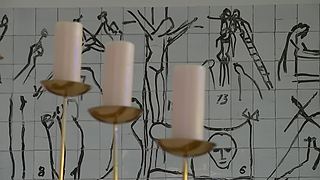
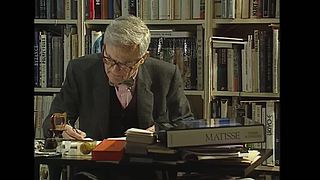
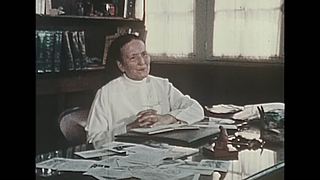
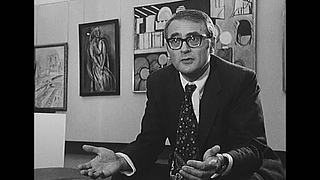
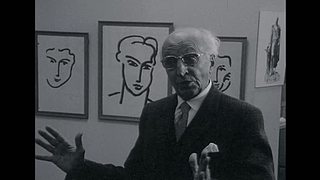
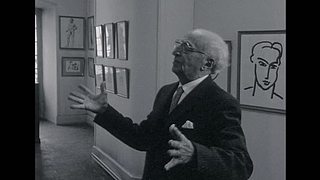
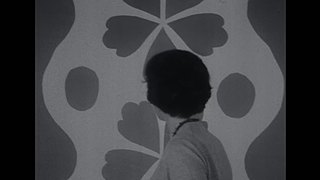
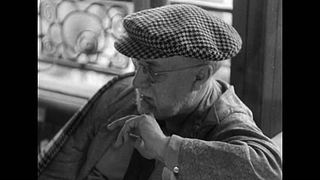
Visit of the chapel of the Rosary, also known as Matisse Chapel, in Vence. Inaugurated in 1951, it was entirely decorated by the artist Henri Matisse for the Dominican sisters. Interviews with the guide Hélène Religieux and visitors, as well as the testimony of Jean Martin, former assistant to Henri Matisse.
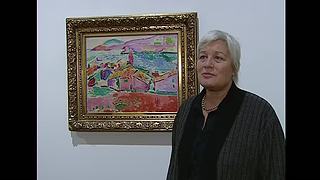
Interview with Dominique Szymusiak, chief curator of the Matisse museum in Cateau Cambrésis, the artist’s hometown. She gives explanations on the Fauvism, pictorial movement born during the Salon d'automne de Paris, in 1905: the word "fauves" is then used for the first time.
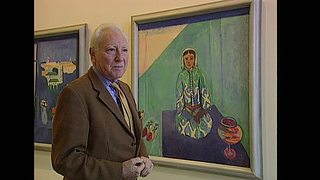
On the occasion of the exhibition "Matisse and Morocco" at the Institut du Monde Arabe, in Paris, visit with Claude Duthuit, former archaeologist and grandson of the painter. He dwells on the painting "Zohra on the terrace".
Pierre Schneider, art historian and specialist of the painter Henri Matisse, explains the assembly of the exhibition Matisse at the Beaubourg museum. His choice was guided by the most powerful paintings of the artist’s life between 1904 and 1917.
The art critic Michel Gaudet highlights the importance of work around sign and color in the work of painter Henri Matisse. According to him, Matisse is one of those without whom "we could not have a painting at the present time".
Meeting with Pierre Gaudibert, curator of the Musée d'Art Moderne de Grenoble, who evokes the life and work of the painter Henri Matisse on the occasion of an exhibition dedicated to him.
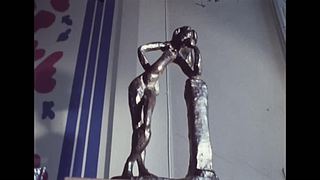
On the occasion of an exhibition celebrating the 20th anniversary of the death of the painter Henri Matisse, at the Musée Matisse in Nice, where he lived and died, the curator Colette Audibert evokes the importance of his work as a sculptor.
The Chapel of the Rosary, also known as Matisse Chapel, was erected in Vence for the Dominican Convent. Interview with Sister Jacques Marie, nurse, former model and friend of the painter, who was the intermediary between Brother Rayssiguier and Henri Matisse who decorated the chapel.
Interview of the painter Georges Mathieu about the work of Henri Matisse: "Drawing, for him it was the fields of the mind and color, the fields of sensuality". Evocation of the painting "The Red Harmony Service" from 1908.
Retrospective exhibition at the Grand Palais on the work of the artist Henri Matisse. It brings together paintings, sculptures, gouaches cut out, stained glass and tapestries. Art historian Pierre Schneider explains how he organized the exhibition from works scattered around the world.
Second and final part of the interview with Maurice Guillot, curator of the Musée Matisse du Cateau Cambrésis, birthplace of the artist. He explains how the museum was created.
First part of the interview with Maurice Guillot, curator of the Musée Matisse du Cateau Cambrésis, birthplace of the artist. He explains how the museum was created.
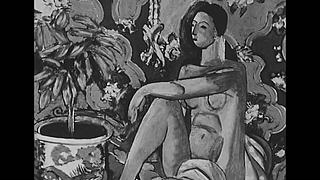
Presentation of the painting "Decorative figure on ornamental background" by Henri Matisse, painted between 1925 and 1926, which is exhibited at the Musée National d'Art Moderne in Paris. The curator Bernard Dorival deciphers this masterpiece of the painter.
Exhibition presenting forty-six monumental works by Henri Matisse in the Marsan pavilion of the Musée des Arts décoratifs, at the Palais du Louvre, in Paris. The journalist points out that "there is no message younger, more upsetting than that left by this 85-year-old painter... who said: The hand is only an extension of sensitivity and intelligence".
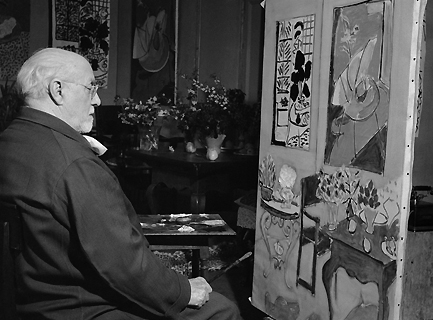
A l'occasion de l'exposition au Salon d'Automne de 1945, à Paris, évocation du travail de l'artiste peintre Henri Matisse. Nous le découvrons regardant ses toiles dans son appartement parisien.


 The INA Galaxy